No Heat or Cooling Traced to the Source
Emergency HVAC Repair in southern georgia for households with a failed heating or cooling system outside normal service hours
A failed system in a home where the indoor temperature is already changing is a different problem than a routine service call, and RSK Heating & Air handles emergency HVAC repair on Saturdays as well as weekdays, giving households in Southern Georgia a route to a technician when a failure happens outside a standard business day. The same owner and crew who handle scheduled seasonal maintenance take emergency calls, so the technician arriving on site already understands the equipment types common in this area and is not relying on a subcontracted dispatcher who has never seen the job. Emergency calls are not available on Sundays or major holidays, which is the honest boundary this family-run company sets rather than promising availability it cannot deliver.
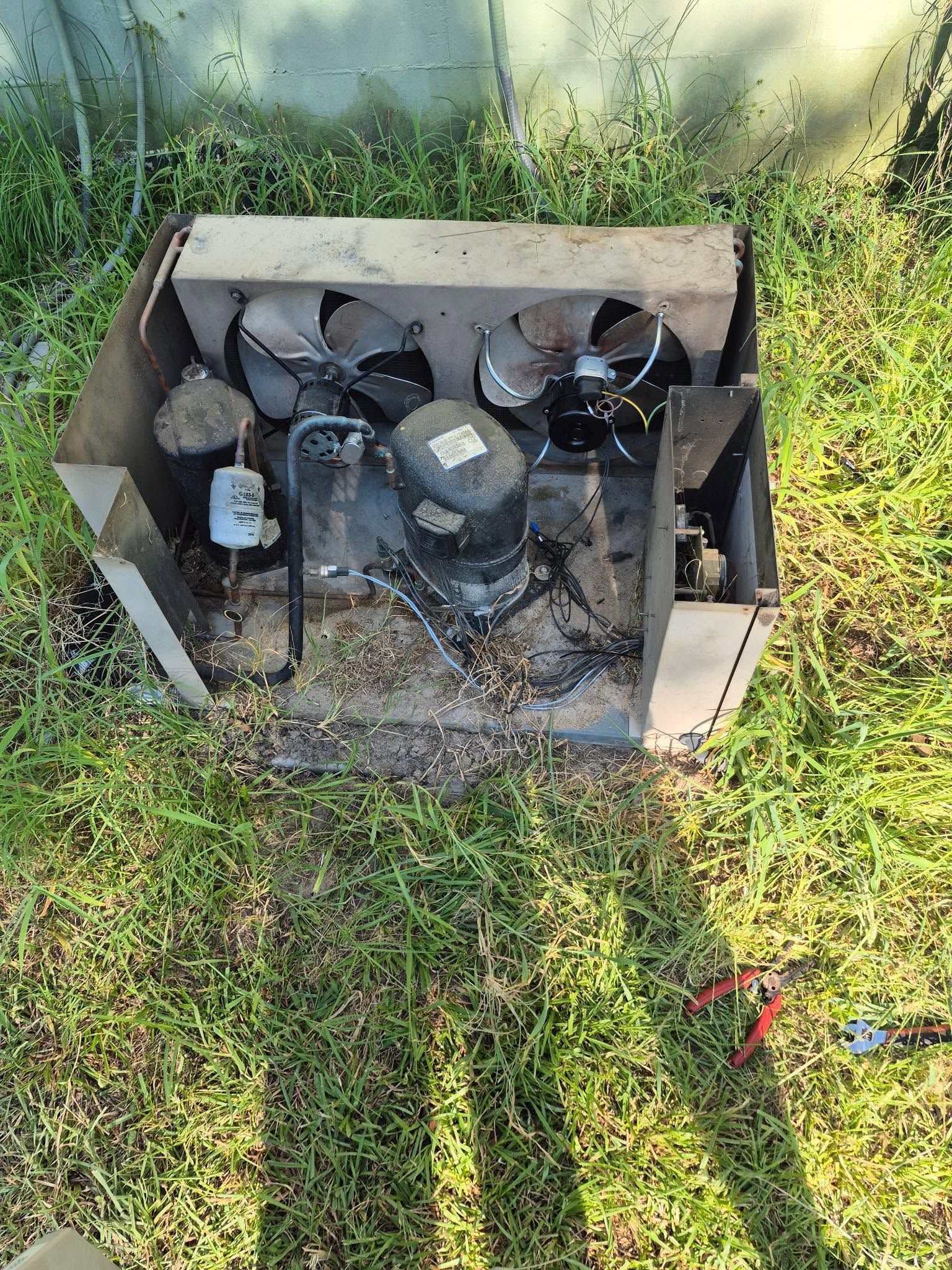
On arrival, the technician starts at the thermostat and power supply to eliminate the simplest causes before opening the equipment, then tests the outdoor condenser or furnace in operation to isolate the fault under real load. Older homes in Southern Georgia with attics and crawl spaces complicate this process because a fault can originate at the air handler in the attic, travel through an exposed line set, and show its symptoms at the condenser outside—checking only the visible component without following the system through those spaces leads to a misdiagnosis. Where the call allows, repairs are quoted before work starts, and the technician explains what failed, what was replaced, and what still needs attention before leaving the property.
Arrange an emergency service call to get a technician to your home and a diagnosis before conditions inside worsen further.
How Emergency HVAC Repair Addresses a System Failure
The diagnostic sequence matters as much as the repair itself. RSK Heating & Air's technician works through the system in order—controls, power, then mechanical components—because skipping straight to a suspected part and replacing it without confirming the failure path is how a repair call turns into a second call when the real fault is still present. Confirming the symptom, checking voltage at the correct test points, and running the equipment through the mode that failed is the only reliable way to know what actually needs to be replaced.
After the repair is complete, the system runs through the same cycle again with the technician present to confirm the fix held under load. The homeowner sees the equipment respond to the thermostat normally, the airflow return to both supply and return registers, and the temperature at the supply register reach the expected range for the mode in operation. That end-of-call test is not a formality—it is the check that catches a secondary fault before the technician leaves the property.
EPA certification is held by RSK Heating & Air, which governs how refrigerant is handled if the emergency involves a refrigerant fault in the cooling system. If the repair reveals additional problems beyond the immediate failure, the technician identifies those separately so the homeowner has a clear picture of the system's overall condition rather than discovering the next issue at the next failure.
What Property Owners Ask About the Work
The questions below address how emergency HVAC repair is handled in practice, including what the technician checks first, how faults are isolated, and what homeowners can expect during and after the call.
What does the technician check first when arriving for an emergency call?
The first checks are the thermostat setting and power supply—breakers, disconnect switches, and the equipment's own power board—because a tripped breaker or a blown fuse at the disconnect accounts for a significant portion of emergency calls where the equipment appears completely dead.
How is a fault isolated when the system runs but produces no heating or cooling?
The technician measures supply voltage and amperage draw at the outdoor condenser or furnace while the equipment is running, comparing those readings against the rated specifications on the equipment label to identify whether the fault is electrical, mechanical, or refrigerant-related before any component is removed.
Why do homes with attics and crawl spaces in the Savannah area require a more thorough site walk during an emergency call?
Air handlers in attic spaces and duct connections in crawl spaces are common fault locations that are invisible from the living area—a failed blower motor in the attic or a disconnected duct in the crawl space both produce symptoms that look identical to a condenser problem from inside the house, so those spaces are checked as part of the diagnostic path.
What information should a homeowner have ready when calling for emergency service?
The system's age if known, what mode it was running in when it failed, whether the thermostat display is active, and whether the outdoor unit was making any unusual sounds before it stopped—those details help the technician arrive with the most likely replacement parts loaded rather than diagnosing blind.
How does the technician confirm the repair is complete before leaving?
The system is cycled through the mode that failed with the technician monitoring supply voltage, amperage, and supply air temperature at a register until readings stabilize, confirming the repaired component is holding under operating conditions rather than just powering on momentarily.
RSK Heating & Air also performs emergency HVAC repair in Southern Georgia. To connect with the same crew that handles routine maintenance in this area, call RSK Heating & Air directly and describe what the system is doing so the technician can come prepared.