Replacement Heating Built Around the Home's Actual Load
Heating installation and replacement in Collins and the surrounding areas for homes that need properly sized equipment and dependable comfort
RSK Heating & Air takes a careful approach to heating installation by looking at the home’s actual needs before recommending new equipment. For homes in Collins and the surrounding areas, that includes reviewing the heat load, existing ductwork, and airflow to make sure the new furnace or heat pump is properly matched to the home. This helps avoid installing a new system that still struggles to heat certain rooms or perform efficiently.
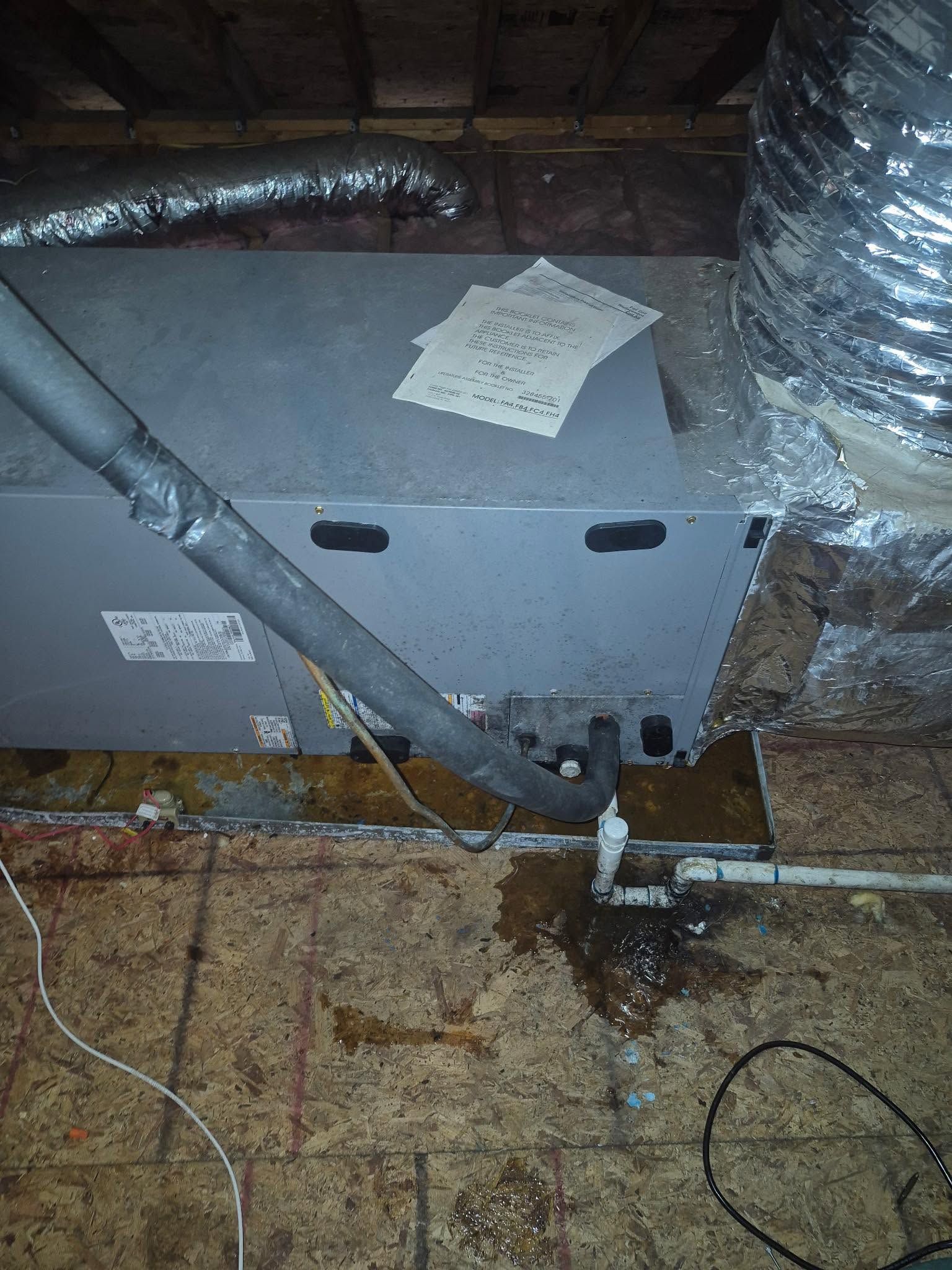
The installation process covers the heat load calculation, a ductwork and venting inspection in the attic and crawl space, equipment recommendation based on those measurements, and a full startup test after the unit is connected. Gas connections, venting, and thermostat wiring are all verified before the system is run for the first time. Any ductwork problems found during the pre-installation inspection are shown to the homeowner before a start date is confirmed, so the scope of work is agreed on before tools are on the ground.
RSK Heating & Air offers free estimates on heating installations—request one to begin with the load calculation and duct inspection rather than an equipment catalog.
What Changes After Properly Sized Heating Is Installed
A heating installation that starts with a load calculation produces a different result than one that replicates the previous unit's specifications. The equipment runs full cycles that distribute heat evenly across the duct system rather than short-cycling and leaving distant rooms cold. On gas furnace installations, the gas connection and venting are checked against the equipment's input rating—an oversized furnace connected to undersized venting creates back-pressure conditions that affect combustion safety, not just efficiency. RSK Heating & Air is EPA certified and handles the refrigerant side of heat pump installations under that certification.
After installation is complete, the observable difference in a correctly sized and connected heating system is measurable at every register: rooms that previously required supplemental heat reach setpoint during a normal run cycle, the system does not cycle on and off rapidly during mild cold, and the thermostat maintains setpoint without the equipment running continuously. Military, veteran, and senior citizen discounts are available and applied at the estimate stage.
The installation includes the equipment, all connections, and the startup test. Ductwork repairs identified during the pre-installation inspection are scoped separately and priced before any installation is scheduled, so there are no mid-project additions to the quote. The crew does not proceed with installation if duct conditions found during the inspection would prevent the new system from performing to its rated capacity.
Questions Before Starting Your Heating Replacement Project
The questions below address how heating replacement decisions are made and what the installation process involves. They are relevant to the conditions found in Savannah and Statesboro-area homes, where duct systems built during earlier construction eras frequently require assessment before new equipment is connected.
How is a heat load calculation different from using the old unit's specifications as a guide?
A heat load calculation measures the home's current thermal characteristics—insulation, window area, ceiling height, duct configuration—and produces an equipment capacity recommendation based on those measurements, not on what a previous contractor selected.
What does the venting inspection cover on a gas furnace replacement?
The technician checks that the flue size matches the new unit's venting requirements, that the vent path is unobstructed, and that combustion air supply is adequate; a mismatch between furnace input rating and flue diameter is a safety issue, not just an efficiency concern.
Why does duct sizing matter when replacing heating equipment in older Savannah-area homes?
Duct systems in homes built before current efficiency standards were often sized for smaller equipment; connecting a modern unit to undersized ducts restricts airflow, causes the system to overheat at the heat exchanger, and produces the same uneven room temperatures the old unit had.
What happens during the startup test after a new heating system is installed?
The technician runs the system through a full heating cycle, checks supply air temperature at registers, verifies the thermostat is controlling the equipment correctly, and confirms that safety controls are functioning before the crew leaves the property.
How does the crew handle ductwork problems found during the pre-installation inspection?
Identified problems are documented and shown to the homeowner before any installation date is set; the duct work is scoped and priced separately so the homeowner can decide whether to address it before the new equipment is connected.
RSK Heating & Air also installs and replaces heating systems in Collins, Vidalia, Lyons, Reidsville, and beyond. To begin with a free estimate that includes the load calculation and duct inspection, call RSK Heating & Air directly and describe your current system and the problems you have noticed.