Wiring and Compatibility Done Before Programming
Thermostat Installation & Replacement in southern georgia for homes with single-stage wiring that cannot support a new heat pump or dual-fuel setup
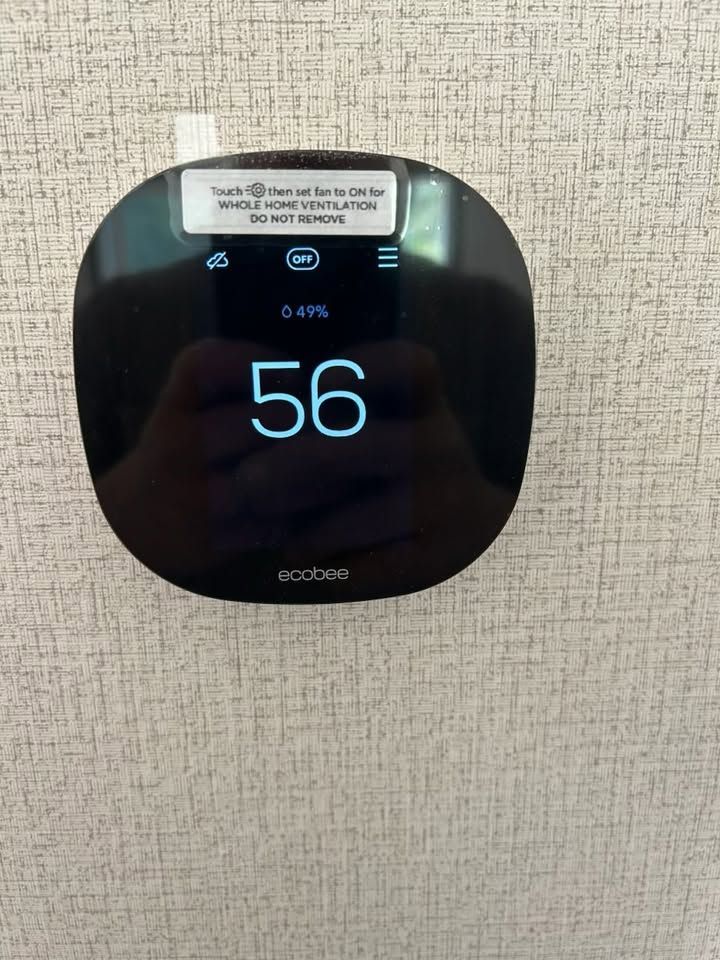
RSK Heating & Air installs and replaces thermostats for homes in Southern Georgia, handling the low-voltage wiring check, system compatibility confirmation, and final programming as a single continuous process rather than separate steps. Many households need this service when a new heating or cooling system has been installed and the existing thermostat cannot communicate correctly with it. The technician identifies the mismatch before mounting anything, which prevents the most common post-installation problem: a thermostat that displays normally but cycles the equipment incorrectly.
The technician removes the old unit, reads the wire colors against the terminal labels, and cross-references those against the equipment type before the new thermostat is ever mounted to the wall. Older homes in this area were commonly wired for a single-stage system, and a heat pump or dual-fuel setup requires different terminal assignments and often an additional wire that was never run in the original installation. Catching that during the wiring check—rather than after the thermostat is programmed and tested—is where the bulk of the diagnostic work happens.
Schedule a thermostat evaluation to confirm whether your current wiring supports the system you have installed.
What Proper Thermostat Installation Requires
Once the wiring is confirmed and the new unit is mounted, RSK Heating & Air checks or replaces the batteries, then runs the thermostat through both a heating cycle and a cooling cycle before programming is finalized. Testing through both cycles matters because a thermostat can appear to function during one mode while misfiring a relay in the other, which only shows up once the equipment is called to switch. The owner's preferred schedule is programmed before the technician leaves, so the system is running to the household's actual routine from the first evening.
After a correct installation, the equipment runs in the cycles the thermostat calls for—no short cycling, no equipment running past the set point, and no blank or unresponsive display caused by a low-voltage wiring fault. Thermostat connections and batteries are also checked at every seasonal maintenance visit RSK Heating & Air performs, so a post-installation problem is unlikely to go undetected between service calls.
Compatibility is the factor most homeowners underestimate when selecting a thermostat independently. A model rated for conventional systems will not correctly control a heat pump's auxiliary heat, and the result is equipment that runs inefficiently or not at all in certain conditions. The wiring check and system-type confirmation that happen before mounting are what make the programming step meaningful.
Common Questions About This Service
The questions below address how thermostat installation and replacement actually work, including the wiring and testing steps that determine whether a new unit will control the system correctly.
What does the wiring check involve before a new thermostat is mounted?
The technician reads each wire color against its existing terminal label and matches those assignments to the system type—conventional, heat pump, or dual-fuel—before the new unit is attached, because the terminal layout differs across those categories and an incorrect connection will cause the equipment to run wrong from the first cycle.
How does a single-stage thermostat create problems on a heat pump system?
A single-stage thermostat does not send the signal that tells a heat pump to engage auxiliary heat, so in heating mode the system runs the heat pump compressor only and the backup heat never activates, which leaves the home under-heated when outdoor temperatures drop far enough to require it.
Why are both a heating cycle and a cooling cycle tested after installation?
Each mode uses different relay contacts inside the thermostat, and a unit can close the cooling relay correctly while the heating relay fails silently—running one test only misses that failure until the season changes and the household realizes the equipment will not respond.
What happens during thermostat installation in older Savannah-area homes where only two wires are present?
When only two wires are run, the thermostat options are limited to equipment that does not require a common wire for continuous power, or the installation requires running an additional wire—which is assessed during the initial wiring check so the homeowner understands the options before any work proceeds.
How should a homeowner verify the thermostat is working correctly after installation is complete?
Watch the equipment cycle on and off in response to the set point over the first twenty-four hours: the system should start when the room temperature crosses the threshold and stop cleanly once it is reached, with no short cycling, no continuous running past the target, and no error codes on the display.
RSK Heating & Air also performs thermostat installation and replacement in Southern Georgia. To confirm compatibility between your current wiring and the system you have, request an on-site assessment and RSK Heating & Air will identify what is needed before any equipment is ordered.