Heat That Fails When the Season Finally Switches
Heating repair in collins and the surrounding areas for furnaces, heat pumps, and systems that fail or underperform when cooling season ends
A heating system that ran without complaint through the previous winter may have developed a fault over the months it sat idle through air conditioning season—and that fault only surfaces when the first cold nights arrive. Gas igniters, burner assemblies, and thermostat wiring can degrade without producing any visible symptom until the system is called on to produce heat. RSK Heating & Air diagnoses heating faults across the full system path, from the gas igniter and burners through the attic ductwork and thermostat connections, rather than replacing the most likely component and hoping the problem clears.
When a technician arrives, the diagnostic sequence confirms the fault first. On gas units, that means checking the igniter, burner condition, and safety controls—including limit switches and pressure sensors—before any repair is quoted. Thermostat connections are tested separately because a wiring fault at the control board can prevent a functioning furnace from firing at all. The repair is quoted after the fault is identified, and the customer approves each step before parts are ordered.
To arrange a heating diagnostic before cold nights become a problem, call RSK Heating & Air and describe what the system is doing when it fails to produce heat.
Why Heating Faults Require a Full System Inspection
Heating problems are not always caused by the furnace itself. If certain rooms stay colder than others, the issue may be tied to airflow, ductwork, or another part of the system. RSK Heating & Air checks the full heating setup to find the source of the problem, including the furnace, airflow, and ductwork. For homes in Collins and the surrounding areas, this approach helps identify leaks, restrictions, or other issues that may be keeping warm air from reaching every room evenly.
After a completed repair, the observable changes are specific: the system ignites consistently on each call from the thermostat, heat reaches rooms that were previously cold or slow to warm, and the unit does not short-cycle or lock out on safety controls. Emergency service is available, and Saturday calls are handled for emergencies, which reflects the reality that heating failures rarely time themselves conveniently.
RSK Heating & Air is EPA certified and family-owned, and the repair process includes showing the customer what was found during the inspection—not just what was replaced. Parts that are borderline but not yet failed are identified and noted so the homeowner can make an informed decision about whether to address them now or monitor them through the season.
Common Questions About How Heating Repair Works
The questions below focus on the repair process and what the diagnostic covers. They are particularly relevant for homes in the Collins and the surrounding areas, where heating systems often sit dormant through long cooling seasons before being called on in fall.
How does a technician confirm whether the fault is in the furnace or the ductwork when heat is uneven across rooms?
Airflow is measured at individual registers and compared against what the equipment should deliver; a significant drop at distant registers without a corresponding equipment fault points to duct leakage or restriction in that run.
What does checking the gas igniter involve, and why does it matter before other repairs are quoted?
The igniter is tested for resistance and ignition timing; an igniter that reads within range but fires inconsistently can cause intermittent no-heat faults that look like a control board problem until the igniter is tested under load.
Why do heating faults appear at the start of the season rather than during regular use?
Components like igniters and gas valves that were marginal at the end of the previous heating season may stabilize during the off period but fail to perform when thermal cycling resumes after months of no use.
What safety controls does a technician check on a gas furnace during a repair visit?
Limit switches, pressure switches, and flame sensors are each tested independently; a tripped limit switch, for example, shuts the system down to prevent overheating but may indicate a separate airflow restriction that needs to be cleared.
How does attic or crawl space duct routing in Georgia-area homes change how a heating repair is diagnosed?
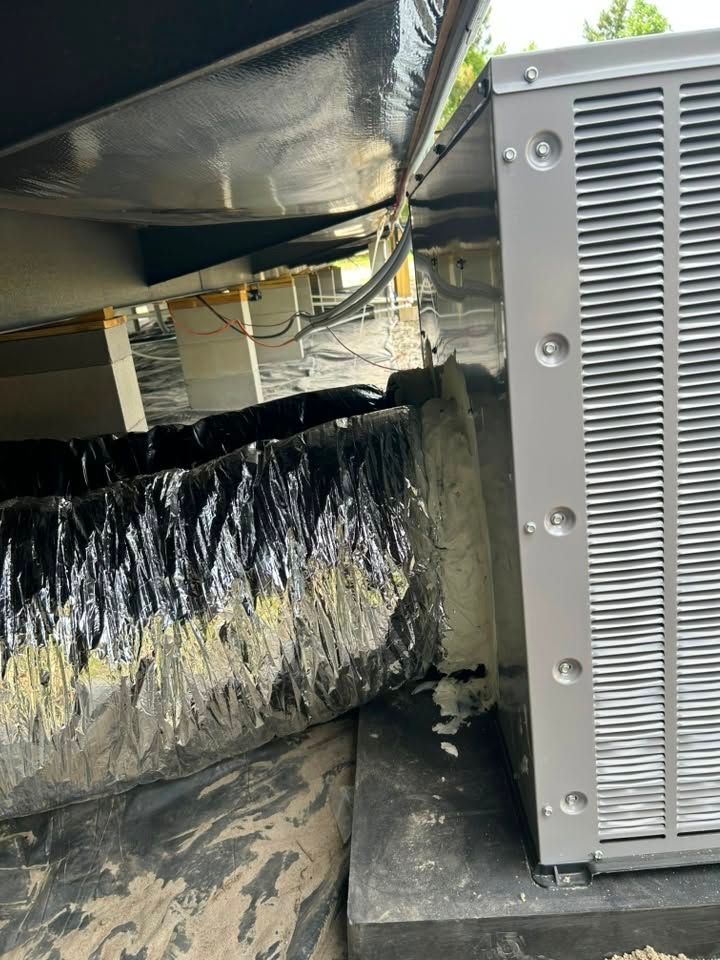
Ducts running through unconditioned space lose heat through gaps or deteriorated insulation, so a heating complaint that follows the duct path—rooms farther from the air handler being colder—often starts in the crawl space rather than at the furnace.
RSK Heating & Air also performs heating repair in Collins, Vidalia, Lyons, Reidsville, and beyond. If your system failed to produce heat or is not reaching all rooms, schedule a diagnostic visit so the fault can be confirmed before any repairs are quoted.